Buy laufsporty.eu ?
We are moving the project
laufsporty.eu .
Are you interested in purchasing the domain
laufsporty.eu ?
domain@kv-gmbh.de · 0541-91531010
Buy laufsporty.eu ?
What is the fitness of a Bundeswehr pilot?
The fitness of a Bundeswehr pilot is of utmost importance due to the physical and mental demands of flying military aircraft. Pilots must undergo rigorous physical and medical examinations to ensure they are in top physical condition and free from any health issues that could affect their performance. Additionally, they must maintain a high level of physical fitness through regular exercise and training to meet the demands of their job, which includes long hours in the cockpit and the potential for high-stress situations. Overall, the fitness of a Bundeswehr pilot is essential for their ability to effectively carry out their duties and ensure the safety and success of their missions. **
Do you have to be athletic to become a pilot?
You do not have to be athletic to become a pilot. While physical fitness is important for certain aspects of flying, such as passing medical exams and being able to handle emergency situations, being athletic is not a requirement. Pilots come from a variety of backgrounds and physical abilities, and the most important qualities for a pilot are good decision-making skills, problem-solving abilities, and the ability to stay calm under pressure. **

Similar search terms for Pilot
Top-Angebote
Products related to Pilot:
-
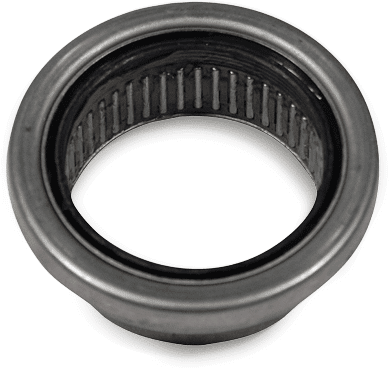
KAWE 10037 Pilot bearing, clutchParameter: LL; Outer Diameter 1 [mm]: 24; Width [mm]: 16; Inner Diameter [mm]: 18; Construction Year to: 12/1987, 07/1989, 07/1986; Construction Year from: 01/1988, 01/1985; Engine Number to: 049108, 001281, 002861; Vehicle Identification Number (VIN) to: K#150000; TecDoc Engine Number: 331, 937516,99 £*Shipping: 8,45 £Secure redirect to the provider
-
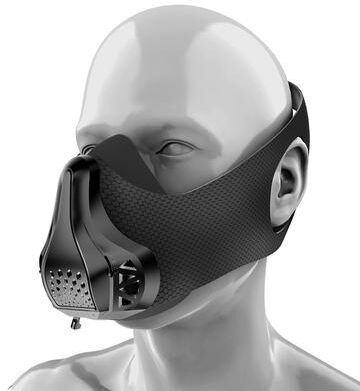
ModernMart Altitude Boost Training Mask For Running, Cardio & Endurance Fitness Altitude Boost Training Mask For Running, Cardio & Endurance FitnessBuilt to push limits, this _training mask_ transforms everyday workouts into highintensity performance sessions. Designed for runners, cyclists, gym athletes, and endurance trainers, it uses adjustable airflow resistance to help strengthen breathing...44,97 $*Shipping: 0,00 $Secure redirect to the provider
-
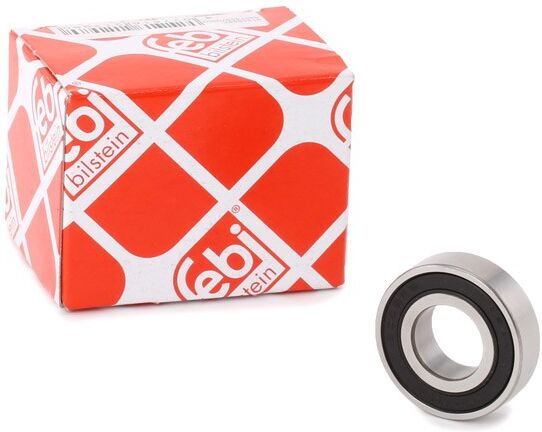
FEBI BILSTEIN 21298 Pilot bearing, clutchWidth [mm]: 9; Inner Diameter [mm]: 15; Outer Diameter [mm]: 32; Bearing Type: Rolling Bearing; Weight [kg]: 0,032; Construction Year from: 09/1990, 11/1990, 09/2005; Construction Year to: 09/1998; TecDoc Engine Number: 28384, 20538, 30334, 18038, 18167, 18168, 18358; Transmission Type: Manual Transmission; Engine Code: N46N7,99 £*Shipping: 8,45 £Secure redirect to the provider


-
For which fitness level is a helicopter pilot required?
A helicopter pilot is required to have a high level of physical fitness. This is because flying a helicopter requires good hand-eye coordination, quick reflexes, and the ability to handle high-stress situations. Additionally, pilots need to pass regular medical exams to ensure they are in good health and able to perform their duties safely. Overall, being in good physical shape is essential for a helicopter pilot to effectively and safely operate their aircraft. **
-
Should I become a pilot or a co-pilot?
The decision to become a pilot or a co-pilot depends on your personal preferences, career goals, and level of responsibility you are comfortable with. Pilots have the ultimate authority and responsibility for the aircraft and its passengers, while co-pilots support the pilot and assist in flying the plane. If you enjoy taking on more leadership roles and making critical decisions, becoming a pilot may be the right choice for you. However, if you prefer a supportive role and working as part of a team, being a co-pilot could be a better fit. Ultimately, consider your strengths, interests, and career aspirations to make the best decision for yourself. **
-
Does a fighter pilot earn more than a regular pilot?
Yes, fighter pilots typically earn more than regular pilots. This is because fighter pilots undergo more rigorous training and are often involved in more high-risk and specialized missions. Additionally, fighter pilots may receive additional pay and benefits for their combat and operational experience. Overall, the specialized skills and responsibilities of a fighter pilot often result in higher compensation compared to regular pilots. **
-
After pilot training, who becomes the captain or co-pilot?
After pilot training, the most common path to becoming a captain or co-pilot is to gain experience as a first officer, also known as a co-pilot. First officers typically accumulate flight hours and experience working alongside a captain before being promoted to the role of captain. This progression allows pilots to develop the necessary skills and knowledge to safely and effectively operate as the pilot in command of an aircraft. **

Where do I earn more: airline pilot or business pilot?
The earning potential for airline pilots and business pilots can vary depending on a variety of factors such as experience, type of aircraft, and employer. Generally, airline pilots tend to earn more than business pilots due to the larger scale of operations and the higher level of responsibility associated with commercial airline flights. Additionally, airline pilots often have more opportunities for career advancement and benefits such as retirement plans and health insurance. However, some business pilots may have the potential to earn higher salaries if they work for high-profile clients or corporations. **
How many hours does a pilot and a co-pilot work?
Pilots and co-pilots typically work in shifts that can vary depending on the airline and the specific flight schedule. On average, pilots and co-pilots work around 75 to 80 hours per month, which includes both flying time and other duties such as pre-flight planning and post-flight paperwork. However, there are regulations in place to ensure that pilots and co-pilots do not exceed a certain number of flight hours in order to prevent fatigue and ensure safety. **
Top-Angebote
Products related to Pilot:
-
KAWE 10037 Pilot bearing, clutchParameter: LL; Outer Diameter 1 [mm]: 24; Width [mm]: 16; Inner Diameter [mm]: 18; Construction Year to: 12/1987, 07/1989, 07/1986; Construction Year from: 01/1988, 01/1985; Engine Number to: 049108, 001281, 002861; Vehicle Identification Number (VIN) to: K#150000; TecDoc Engine Number: 331, 937516,99 £*Shipping: 8,45 £Secure redirect to the provider
-
ModernMart Altitude Boost Training Mask For Running, Cardio & Endurance Fitness Altitude Boost Training Mask For Running, Cardio & Endurance FitnessBuilt to push limits, this _training mask_ transforms everyday workouts into highintensity performance sessions. Designed for runners, cyclists, gym athletes, and endurance trainers, it uses adjustable airflow resistance to help strengthen breathing...44,97 $*Shipping: 0,00 $Secure redirect to the provider
-
What is the fitness of a Bundeswehr pilot?
The fitness of a Bundeswehr pilot is of utmost importance due to the physical and mental demands of flying military aircraft. Pilots must undergo rigorous physical and medical examinations to ensure they are in top physical condition and free from any health issues that could affect their performance. Additionally, they must maintain a high level of physical fitness through regular exercise and training to meet the demands of their job, which includes long hours in the cockpit and the potential for high-stress situations. Overall, the fitness of a Bundeswehr pilot is essential for their ability to effectively carry out their duties and ensure the safety and success of their missions. **
-
Do you have to be athletic to become a pilot?
You do not have to be athletic to become a pilot. While physical fitness is important for certain aspects of flying, such as passing medical exams and being able to handle emergency situations, being athletic is not a requirement. Pilots come from a variety of backgrounds and physical abilities, and the most important qualities for a pilot are good decision-making skills, problem-solving abilities, and the ability to stay calm under pressure. **
-
For which fitness level is a helicopter pilot required?
A helicopter pilot is required to have a high level of physical fitness. This is because flying a helicopter requires good hand-eye coordination, quick reflexes, and the ability to handle high-stress situations. Additionally, pilots need to pass regular medical exams to ensure they are in good health and able to perform their duties safely. Overall, being in good physical shape is essential for a helicopter pilot to effectively and safely operate their aircraft. **
-
Should I become a pilot or a co-pilot?
The decision to become a pilot or a co-pilot depends on your personal preferences, career goals, and level of responsibility you are comfortable with. Pilots have the ultimate authority and responsibility for the aircraft and its passengers, while co-pilots support the pilot and assist in flying the plane. If you enjoy taking on more leadership roles and making critical decisions, becoming a pilot may be the right choice for you. However, if you prefer a supportive role and working as part of a team, being a co-pilot could be a better fit. Ultimately, consider your strengths, interests, and career aspirations to make the best decision for yourself. **
Similar search terms for Pilot
-
FEBI BILSTEIN 21298 Pilot bearing, clutchWidth [mm]: 9; Inner Diameter [mm]: 15; Outer Diameter [mm]: 32; Bearing Type: Rolling Bearing; Weight [kg]: 0,032; Construction Year from: 09/1990, 11/1990, 09/2005; Construction Year to: 09/1998; TecDoc Engine Number: 28384, 20538, 30334, 18038, 18167, 18168, 18358; Transmission Type: Manual Transmission; Engine Code: N46N7,99 £*Shipping: 8,45 £Secure redirect to the provider
-
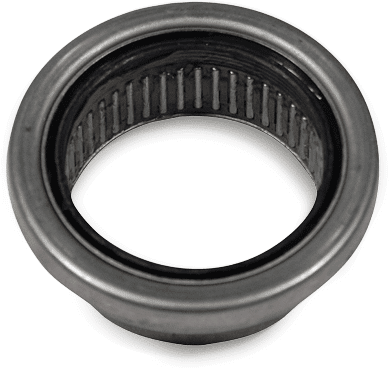
JP GROUP 1110452702 Pilot bearing, clutchWidth [mm]: 23,5; Bearing Type: Needle Bearing; Inner Diameter [mm]: 15; for PR number: G1C, G1A, G1D, G0R, G0K, G0L, G0C, 0EG, 0IJ; Transmission Type: 7-Speed Dual-Clutch Transmission, 6-Speed Automatic Transmission, Dual-Clutch Transmission, 6-Speed Manual Transmission, 6-Speed Dual-Clutch Transmission, 7-Speed Automatic Transmission, 5-Speed Manual Transmission, for 7-speed automatic transmission; Engine Code: CMXA, CCSA, CAVG,CTHG, CAVG, CTHG, BGU, BSE, BSF, AXX, BPY, BWA, CAWB, CBFA, CCZA, CCTA, BMN, CNEA, DCYB, CRBC, CRLB, DCYA, DEJA, DFGA, CLRA, CKFC, CHHB, CNTC, CXDA, CHHA, CHPA, CRUA, DBGA, CUNA, CZDA, CZEA, CUNA, DGCA, CNTA, CHPB, CZCA, DFEA, CUWA, CXEB, CXXB, CUVC, DFLA, CXFA, CXHA, DFFA, DTTA, DTTC, DNUE, DJHA, DDYA, DGTA, DSRA, DSRB, DTSA, DTSB, CHZL, DKLA, DLAC, DXTA, CHZJ, DKJA, DKRF, DXUA, DUSA, DPCA, DFYA, DGEA, DNFF; TecDoc Engine Number: 24313, 22665, 23937, 16871, 20711, 20712, 17450, 19199, 20704, 20714, 22170, 22663, 18471, 18245, 18246, 18541, 20732, 20795, 18222, 18223, 20780, 20710, 24325, 27196, 27202, 32774, 34063, 34412, 27078, 27197, 27976, 31415, 35413, 27977, 26724, 26725, 29213, 33133, 33136, 33137, 28035, 29242, 29249, 29285, 27858, 29248, 31777, 30259, 31317, 31357, 31372, 31428, 33097, 31318, 31329, 33070, 44687, 45210, 36213, 34399, 33476, 39183, 39184, 40475, 40476, 34874, 36992, 40415, 45771, 34933, 34950, 36358, 45772, 34965, 45117, 33895, 44646, 44680, 50810, 44304, 38450, 38451, 39967, 44059, 45057, 47555; Transmission Code: DSG, S tronic; Construction Year from: 05/2017, 01/2019, 08/2022, 01/2022; Number of Gears: 7 Speed; Model Year from: 2017; Production date to: 20.09.2021, 02.01.2022; Construction Year to: 10/2021; for combined PR number: 0IJ+G1C15,49 £*Shipping: 8,45 £Secure redirect to the provider
-
MAXGEAR 61-0106 Pilot bearing, clutchWidth [mm]: 26; Outer Diameter [mm]: 24; Inner Diameter [mm]: 15; Bearing Type: Needle Bearing; Construction Year from: 01/1988, 08/1991; TecDoc Engine Number: 9375, 13930, 13931, 13932, 4197, 9516, 15808, 16259, 11888, 10813, 17164, 13439, 15340, 15312, 17034, 17033, 15346, 11498, 15155, 16422, 15617, 16367, 16252, 15331, 16859, 16860, 13444, 9522; Engine Number from: 049109; Transmission Type: Manual Transmission, 6-Speed Manual Transmission, 5-Speed Manual Transmission9,59 £*Shipping: 8,45 £Secure redirect to the provider
-
Does a fighter pilot earn more than a regular pilot?
Yes, fighter pilots typically earn more than regular pilots. This is because fighter pilots undergo more rigorous training and are often involved in more high-risk and specialized missions. Additionally, fighter pilots may receive additional pay and benefits for their combat and operational experience. Overall, the specialized skills and responsibilities of a fighter pilot often result in higher compensation compared to regular pilots. **
-
After pilot training, who becomes the captain or co-pilot?
After pilot training, the most common path to becoming a captain or co-pilot is to gain experience as a first officer, also known as a co-pilot. First officers typically accumulate flight hours and experience working alongside a captain before being promoted to the role of captain. This progression allows pilots to develop the necessary skills and knowledge to safely and effectively operate as the pilot in command of an aircraft. **
-
Where do I earn more: airline pilot or business pilot?
The earning potential for airline pilots and business pilots can vary depending on a variety of factors such as experience, type of aircraft, and employer. Generally, airline pilots tend to earn more than business pilots due to the larger scale of operations and the higher level of responsibility associated with commercial airline flights. Additionally, airline pilots often have more opportunities for career advancement and benefits such as retirement plans and health insurance. However, some business pilots may have the potential to earn higher salaries if they work for high-profile clients or corporations. **
-
How many hours does a pilot and a co-pilot work?
Pilots and co-pilots typically work in shifts that can vary depending on the airline and the specific flight schedule. On average, pilots and co-pilots work around 75 to 80 hours per month, which includes both flying time and other duties such as pre-flight planning and post-flight paperwork. However, there are regulations in place to ensure that pilots and co-pilots do not exceed a certain number of flight hours in order to prevent fatigue and ensure safety. **
* All prices are inclusive of VAT and, if applicable, plus shipping costs. The offer information is based on the details provided by the respective shop and is updated through automated processes. Real-time updates do not occur, so deviations can occur in individual cases. ** Note: Parts of this content were created by AI.