Buy laufsporty.eu ?
We are moving the project
laufsporty.eu .
Are you interested in purchasing the domain
laufsporty.eu ?
domain@kv-gmbh.de · 0541-91531010
Buy laufsporty.eu ?
'Will + participle 2?'
"Will + participle 2" is a construction used to form the future perfect tense in English. It is used to indicate an action that will be completed before a specific point in the future. This construction is formed by using the auxiliary verb "will" followed by the past participle of the main verb. For example, "By the time you arrive, I will have finished my homework." **
What are the Latin forms of the present participle, perfect passive participle, and future active participle?
The Latin present participle is formed by adding -ns, -ntis to the present stem of the verb. For example, the present participle of the verb "amo" (I love) is "amans, amantis" (loving). The perfect passive participle is formed by adding -us, -a, -um to the verb stem. For example, the perfect passive participle of the verb "amo" is "amatus, amata, amatum" (loved). The future active participle is formed by adding -urus, -ura, -urum to the verb stem. For example, the future active participle of the verb "amo" is "amaturus, amatura, amaturum" (about to love). **

Similar search terms for Participle
Top-Angebote
Products related to Participle:
-
Multicon Wholesale Hub Speed Training Parachute Running Resistance Chute For Sprint And Endurance Work Speed Training Parachute Running Resistance Chute For Sprint And Endurance WorkPush every stride harder and train with purpose. This speed training parachute is built for runners, sprinters, and athletes who want to improve acceleration, stamina, and lowerbody drive. The 40inch approx canopy creates steady drag while you run,...69,97 $*Shipping: 0,00 $Secure redirect to the provider
-
"Irwin Marathon 14082 12"" Marathon Miter & Table Saw Blades"Thin kerf for fast cuts Construction Micro grain carbide teeth for longer life Fully hardened plate runs truer longer #400 grit diamond ground teeth for faster, cleaner cuts Pr...102,49 $*Shipping: 0,00 $Secure redirect to the provider
-
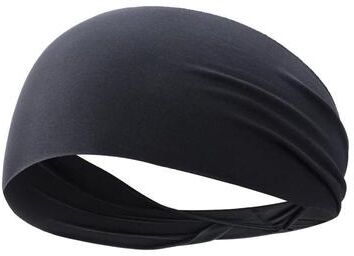
Useful Little Things Men's Athletic Sweat Absorbing Headband For Running, Fitness, And Yoga blackKeep sweat out of your eyes and focus on your performance with our men's athletic sweat absorbing headband. Engineered for high intensity workouts, running, basketball, cross training, and yoga, this lightweight sweatband pulls moisture away from...29,97 $*Shipping: 0,00 $Secure redirect to the provider
-
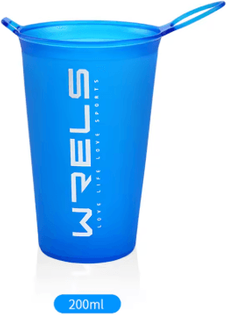
Inspire Picks 200ml Foldable Sports Water Cup Lightweight Soft Cup For Marathon And Trail Running blueHydrate on the go without carrying bulky gear. This compact 200ml foldable water cup is designed for runners and outdoor athletes who need quick sips without extra weight. Made from soft, flexible material, it collapses flat after use to save space...34,93 $*Shipping: 0,00 $Secure redirect to the provider


-
What is a participle?
A participle is a form of a verb that can function as an adjective or be part of a verb phrase. There are two types of participles in English: the present participle, which ends in -ing (e.g. "walking"), and the past participle, which can end in -ed, -en, -d, -t, -n, or -ne (e.g. "broken"). Participles are used to modify nouns or pronouns, and they can also be used to form verb tenses such as the present perfect or past perfect. **
-
What are participle clauses?
Participle clauses are a type of clause that uses a present participle (-ing form) or a past participle (-ed form) to provide additional information about the subject of the main clause. They can be used to show simultaneous actions, cause and effect, or to provide descriptive details. For example, in the sentence "Feeling tired, she decided to go to bed," the participle clause "Feeling tired" provides additional information about the subject "she." **
-
What is the difference between the past participle and the present participle?
The past participle is a verb form used to indicate a completed action or state that occurred in the past. It is often used with auxiliary verbs to form the perfect tenses (e.g., "has eaten," "had gone"). The present participle, on the other hand, is a verb form used to indicate an ongoing action or state in the present or future. It is formed by adding "-ing" to the base form of the verb and is used to create the progressive tenses (e.g., "is eating," "will be going"). **
-
How can the terms premature, simultaneous, and subsequent be explained in relation to past participle, present participle, and future participle?
The terms premature, simultaneous, and subsequent can be explained in relation to past participle, present participle, and future participle based on their timing in relation to the action of the verb. The past participle refers to an action that has already been completed, making it premature in relation to the present moment. The present participle refers to an action that is happening at the same time as something else, making it simultaneous. The future participle refers to an action that will happen at a later time, making it subsequent to the present moment. These terms help to clarify the timing of the action in relation to the verb. **


What is a substantivized participle?
A substantivized participle is a verb form that has been turned into a noun by adding a definite article and declining it for case, gender, and number. In other words, it is a participle that has been transformed into a noun and can function as a subject, object, or complement in a sentence. This process allows the participle to take on the characteristics of a noun while still retaining some of its verbal qualities. **
What is a nominalized participle?
A nominalized participle is a verb form that has been turned into a noun. This is done by adding a suffix to the participle form of the verb, which allows it to function as a noun in a sentence. Nominalized participles are commonly used in various languages to express actions or qualities in a more abstract or general way. **
Top-Angebote
Products related to Participle:
-
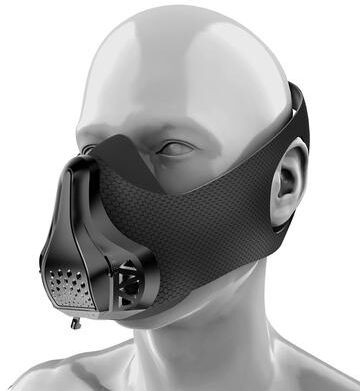
ModernMart Altitude Boost Training Mask For Running, Cardio & Endurance Fitness Altitude Boost Training Mask For Running, Cardio & Endurance FitnessBuilt to push limits, this _training mask_ transforms everyday workouts into highintensity performance sessions. Designed for runners, cyclists, gym athletes, and endurance trainers, it uses adjustable airflow resistance to help strengthen breathing...44,97 $*Shipping: 0,00 $Secure redirect to the provider
-
Inspire Picks 200ml Foldable Sports Water Cup Lightweight Soft Cup For Marathon And Trail Running whiteHydrate on the go without carrying bulky gear. This compact 200ml foldable water cup is designed for runners and outdoor athletes who need quick sips without extra weight. Made from soft, flexible material, it collapses flat after use to save space...34,93 $*Shipping: 0,00 $Secure redirect to the provider
-
Multicon Wholesale Hub Speed Training Parachute Running Resistance Chute For Sprint And Endurance Work Speed Training Parachute Running Resistance Chute For Sprint And Endurance WorkPush every stride harder and train with purpose. This speed training parachute is built for runners, sprinters, and athletes who want to improve acceleration, stamina, and lowerbody drive. The 40inch approx canopy creates steady drag while you run,...69,97 $*Shipping: 0,00 $Secure redirect to the provider
-
"Irwin Marathon 14082 12"" Marathon Miter & Table Saw Blades"Thin kerf for fast cuts Construction Micro grain carbide teeth for longer life Fully hardened plate runs truer longer #400 grit diamond ground teeth for faster, cleaner cuts Pr...102,49 $*Shipping: 0,00 $Secure redirect to the provider
-
'Will + participle 2?'
"Will + participle 2" is a construction used to form the future perfect tense in English. It is used to indicate an action that will be completed before a specific point in the future. This construction is formed by using the auxiliary verb "will" followed by the past participle of the main verb. For example, "By the time you arrive, I will have finished my homework." **
-
What are the Latin forms of the present participle, perfect passive participle, and future active participle?
The Latin present participle is formed by adding -ns, -ntis to the present stem of the verb. For example, the present participle of the verb "amo" (I love) is "amans, amantis" (loving). The perfect passive participle is formed by adding -us, -a, -um to the verb stem. For example, the perfect passive participle of the verb "amo" is "amatus, amata, amatum" (loved). The future active participle is formed by adding -urus, -ura, -urum to the verb stem. For example, the future active participle of the verb "amo" is "amaturus, amatura, amaturum" (about to love). **
-
What is a participle?
A participle is a form of a verb that can function as an adjective or be part of a verb phrase. There are two types of participles in English: the present participle, which ends in -ing (e.g. "walking"), and the past participle, which can end in -ed, -en, -d, -t, -n, or -ne (e.g. "broken"). Participles are used to modify nouns or pronouns, and they can also be used to form verb tenses such as the present perfect or past perfect. **
-
What are participle clauses?
Participle clauses are a type of clause that uses a present participle (-ing form) or a past participle (-ed form) to provide additional information about the subject of the main clause. They can be used to show simultaneous actions, cause and effect, or to provide descriptive details. For example, in the sentence "Feeling tired, she decided to go to bed," the participle clause "Feeling tired" provides additional information about the subject "she." **
Similar search terms for Participle
-
Useful Little Things Men's Athletic Sweat Absorbing Headband For Running, Fitness, And Yoga blackKeep sweat out of your eyes and focus on your performance with our men's athletic sweat absorbing headband. Engineered for high intensity workouts, running, basketball, cross training, and yoga, this lightweight sweatband pulls moisture away from...29,97 $*Shipping: 0,00 $Secure redirect to the provider
-
Inspire Picks 200ml Foldable Sports Water Cup Lightweight Soft Cup For Marathon And Trail Running blueHydrate on the go without carrying bulky gear. This compact 200ml foldable water cup is designed for runners and outdoor athletes who need quick sips without extra weight. Made from soft, flexible material, it collapses flat after use to save space...34,93 $*Shipping: 0,00 $Secure redirect to the provider
-
Inspire Picks 200ml Foldable Sports Water Cup Lightweight Soft Cup For Marathon And Trail Running sky BlueHydrate on the go without carrying bulky gear. This compact 200ml foldable water cup is designed for runners and outdoor athletes who need quick sips without extra weight. Made from soft, flexible material, it collapses flat after use to save space...34,93 $*Shipping: 0,00 $Secure redirect to the provider
-
Useful Little Things Men's Athletic Sweat Absorbing Headband For Running, Fitness, And Yoga blueKeep sweat out of your eyes and focus on your performance with our men's athletic sweat absorbing headband. Engineered for high intensity workouts, running, basketball, cross training, and yoga, this lightweight sweatband pulls moisture away from...29,97 $*Shipping: 0,00 $Secure redirect to the provider
-
What is the difference between the past participle and the present participle?
The past participle is a verb form used to indicate a completed action or state that occurred in the past. It is often used with auxiliary verbs to form the perfect tenses (e.g., "has eaten," "had gone"). The present participle, on the other hand, is a verb form used to indicate an ongoing action or state in the present or future. It is formed by adding "-ing" to the base form of the verb and is used to create the progressive tenses (e.g., "is eating," "will be going"). **
-
How can the terms premature, simultaneous, and subsequent be explained in relation to past participle, present participle, and future participle?
The terms premature, simultaneous, and subsequent can be explained in relation to past participle, present participle, and future participle based on their timing in relation to the action of the verb. The past participle refers to an action that has already been completed, making it premature in relation to the present moment. The present participle refers to an action that is happening at the same time as something else, making it simultaneous. The future participle refers to an action that will happen at a later time, making it subsequent to the present moment. These terms help to clarify the timing of the action in relation to the verb. **
-
What is a substantivized participle?
A substantivized participle is a verb form that has been turned into a noun by adding a definite article and declining it for case, gender, and number. In other words, it is a participle that has been transformed into a noun and can function as a subject, object, or complement in a sentence. This process allows the participle to take on the characteristics of a noun while still retaining some of its verbal qualities. **
-
What is a nominalized participle?
A nominalized participle is a verb form that has been turned into a noun. This is done by adding a suffix to the participle form of the verb, which allows it to function as a noun in a sentence. Nominalized participles are commonly used in various languages to express actions or qualities in a more abstract or general way. **
* All prices are inclusive of VAT and, if applicable, plus shipping costs. The offer information is based on the details provided by the respective shop and is updated through automated processes. Real-time updates do not occur, so deviations can occur in individual cases. ** Note: Parts of this content were created by AI.