Buy laufsporty.eu ?
We are moving the project
laufsporty.eu .
Are you interested in purchasing the domain
laufsporty.eu ?
domain@kv-gmbh.de · 0541-91531010
Buy laufsporty.eu ?
What is the calculation process for 4509 and 45009?
The calculation process for 4509 and 45009 involves adding, subtracting, multiplying, and dividing the numbers. For addition, simply add the two numbers together to get the sum. For subtraction, subtract the smaller number from the larger number to get the difference. For multiplication, multiply the two numbers together to get the product. For division, divide the larger number by the smaller number to get the quotient. These basic arithmetic operations can be used to calculate various mathematical expressions involving 4509 and 45009. **
Is the timing chain covered under the warranty for wear and tear parts in used cars?
The coverage of the timing chain under warranty for wear and tear parts in used cars can vary depending on the specific warranty offered by the dealership or manufacturer. Some warranties may cover the timing chain as part of the engine components, while others may consider it a wear and tear item that is not covered. It is important to carefully review the warranty terms and conditions to determine if the timing chain is included in the coverage. **
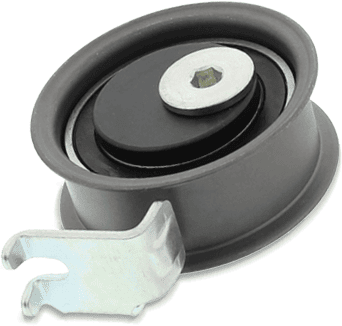

Similar search terms for KAVO-PARTS-DTE-4509-Timing
Top-Angebote
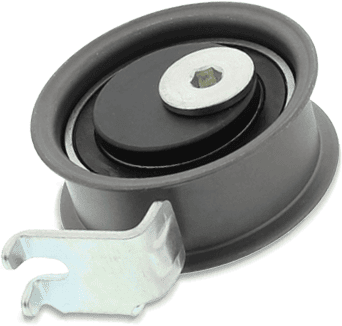
Products related to KAVO-PARTS-DTE-4509-Timing:


-
Which cars have timing belts or timing chains?
Most modern cars have timing chains, which are more durable and require less maintenance than timing belts. However, some older or high-performance vehicles may still have timing belts. It is important to check your vehicle's manual or consult with a mechanic to determine whether your car has a timing belt or timing chain, as the replacement intervals and maintenance requirements differ between the two. **
-
Does the timing chain of a used car fall under the warranty for wear and tear parts?
Whether the timing chain of a used car falls under the warranty for wear and tear parts depends on the specific terms of the warranty provided by the seller or manufacturer. Some warranties may cover wear and tear parts like the timing chain, while others may exclude them. It is important to carefully review the warranty documentation to understand what is covered and what is not before purchasing a used car. **
-
Does Audi have a timing belt or timing chain?
Audi typically uses timing chains in their engines rather than timing belts. Timing chains are more durable and longer-lasting than timing belts, which need to be replaced at regular intervals. This means Audi owners do not have to worry about replacing the timing chain as often as they would a timing belt. **
-
Timing chain or timing belt in the Toyota Yaris?
The Toyota Yaris typically comes equipped with a timing chain rather than a timing belt. Timing chains are known for their durability and longevity compared to timing belts, which need to be replaced at regular intervals. This means that Yaris owners do not have to worry about the timing chain breaking or needing frequent maintenance like they would with a timing belt. Overall, the timing chain in the Toyota Yaris provides a more reliable and low-maintenance option for drivers. **


Which lasts longer, a timing chain or a timing belt?
A timing chain typically lasts longer than a timing belt. Timing chains are made of metal and are designed to be more durable and long-lasting. They are often used in heavier-duty engines and are less prone to stretching or breaking compared to timing belts. Timing belts are made of rubber and need to be replaced at regular intervals, usually every 60,000 to 100,000 miles, while timing chains can last the lifetime of the engine if properly maintained. **
What is the difference between block timing and PWM timing?
Block timing and PWM timing are two different methods of controlling the timing of signals in electronic systems. Block timing involves dividing the time into fixed blocks or intervals, and the signal is turned on or off for the entire duration of each block. On the other hand, PWM (Pulse Width Modulation) timing involves varying the width of the signal pulses within each time interval, allowing for more precise control over the average power delivered to a load. In summary, block timing uses fixed intervals for signal control, while PWM timing varies the width of the signal pulses within each interval for more precise control. **
Top-Angebote
Products related to KAVO-PARTS-DTE-4509-Timing:
-
What is the calculation process for 4509 and 45009?
The calculation process for 4509 and 45009 involves adding, subtracting, multiplying, and dividing the numbers. For addition, simply add the two numbers together to get the sum. For subtraction, subtract the smaller number from the larger number to get the difference. For multiplication, multiply the two numbers together to get the product. For division, divide the larger number by the smaller number to get the quotient. These basic arithmetic operations can be used to calculate various mathematical expressions involving 4509 and 45009. **
-
Is the timing chain covered under the warranty for wear and tear parts in used cars?
The coverage of the timing chain under warranty for wear and tear parts in used cars can vary depending on the specific warranty offered by the dealership or manufacturer. Some warranties may cover the timing chain as part of the engine components, while others may consider it a wear and tear item that is not covered. It is important to carefully review the warranty terms and conditions to determine if the timing chain is included in the coverage. **
-
Which cars have timing belts or timing chains?
Most modern cars have timing chains, which are more durable and require less maintenance than timing belts. However, some older or high-performance vehicles may still have timing belts. It is important to check your vehicle's manual or consult with a mechanic to determine whether your car has a timing belt or timing chain, as the replacement intervals and maintenance requirements differ between the two. **
-
Does the timing chain of a used car fall under the warranty for wear and tear parts?
Whether the timing chain of a used car falls under the warranty for wear and tear parts depends on the specific terms of the warranty provided by the seller or manufacturer. Some warranties may cover wear and tear parts like the timing chain, while others may exclude them. It is important to carefully review the warranty documentation to understand what is covered and what is not before purchasing a used car. **
Similar search terms for KAVO-PARTS-DTE-4509-Timing
-
Does Audi have a timing belt or timing chain?
Audi typically uses timing chains in their engines rather than timing belts. Timing chains are more durable and longer-lasting than timing belts, which need to be replaced at regular intervals. This means Audi owners do not have to worry about replacing the timing chain as often as they would a timing belt. **
-
Timing chain or timing belt in the Toyota Yaris?
The Toyota Yaris typically comes equipped with a timing chain rather than a timing belt. Timing chains are known for their durability and longevity compared to timing belts, which need to be replaced at regular intervals. This means that Yaris owners do not have to worry about the timing chain breaking or needing frequent maintenance like they would with a timing belt. Overall, the timing chain in the Toyota Yaris provides a more reliable and low-maintenance option for drivers. **
-
Which lasts longer, a timing chain or a timing belt?
A timing chain typically lasts longer than a timing belt. Timing chains are made of metal and are designed to be more durable and long-lasting. They are often used in heavier-duty engines and are less prone to stretching or breaking compared to timing belts. Timing belts are made of rubber and need to be replaced at regular intervals, usually every 60,000 to 100,000 miles, while timing chains can last the lifetime of the engine if properly maintained. **
-
What is the difference between block timing and PWM timing?
Block timing and PWM timing are two different methods of controlling the timing of signals in electronic systems. Block timing involves dividing the time into fixed blocks or intervals, and the signal is turned on or off for the entire duration of each block. On the other hand, PWM (Pulse Width Modulation) timing involves varying the width of the signal pulses within each time interval, allowing for more precise control over the average power delivered to a load. In summary, block timing uses fixed intervals for signal control, while PWM timing varies the width of the signal pulses within each interval for more precise control. **
* All prices are inclusive of VAT and, if applicable, plus shipping costs. The offer information is based on the details provided by the respective shop and is updated through automated processes. Real-time updates do not occur, so deviations can occur in individual cases. ** Note: Parts of this content were created by AI.