Buy laufsporty.eu ?
We are moving the project
laufsporty.eu .
Are you interested in purchasing the domain
laufsporty.eu ?
domain@kv-gmbh.de · 0541-91531010
Buy laufsporty.eu ?
Is it unlikely to have a cardiovascular disease?
It is not unlikely to have a cardiovascular disease, as they are one of the leading causes of death worldwide. Factors such as genetics, lifestyle choices, and underlying health conditions can increase the risk of developing cardiovascular diseases. It is important to maintain a healthy lifestyle, including regular exercise, a balanced diet, and avoiding smoking, to reduce the risk of cardiovascular diseases. Regular check-ups with a healthcare provider can also help in early detection and management of any potential cardiovascular issues. **
Can a vegan diet lead to cardiovascular diseases?
A vegan diet can actually lower the risk of cardiovascular diseases when followed correctly. Plant-based diets are typically high in fiber, antioxidants, and other heart-healthy nutrients that can help reduce inflammation, lower cholesterol levels, and improve overall heart health. However, it is important for vegans to ensure they are getting enough essential nutrients like vitamin B12, omega-3 fatty acids, and iron to maintain optimal heart health. By including a variety of nutrient-dense plant foods and possibly supplementing with key nutrients, a vegan diet can be a beneficial choice for cardiovascular health. **

Similar search terms for Cardiovascular
Top-Angebote
Products related to Cardiovascular:
-
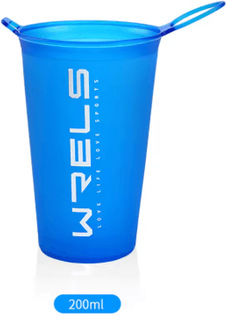
Inspire Picks 200ml Foldable Sports Water Cup Lightweight Soft Cup For Marathon And Trail Running blueHydrate on the go without carrying bulky gear. This compact 200ml foldable water cup is designed for runners and outdoor athletes who need quick sips without extra weight. Made from soft, flexible material, it collapses flat after use to save space...34,93 $*Shipping: 0,00 $Secure redirect to the provider
-
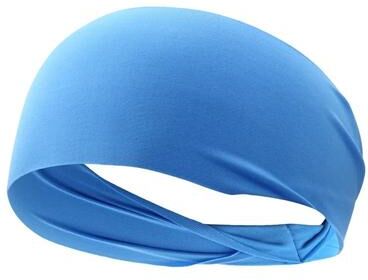
Useful Little Things Men's Athletic Sweat Absorbing Headband For Running, Fitness, And Yoga blueKeep sweat out of your eyes and focus on your performance with our men's athletic sweat absorbing headband. Engineered for high intensity workouts, running, basketball, cross training, and yoga, this lightweight sweatband pulls moisture away from...29,97 $*Shipping: 0,00 $Secure redirect to the provider
-
Multicon Wholesale Hub Speed Training Parachute Running Resistance Chute For Sprint And Endurance Work Speed Training Parachute Running Resistance Chute For Sprint And Endurance WorkPush every stride harder and train with purpose. This speed training parachute is built for runners, sprinters, and athletes who want to improve acceleration, stamina, and lowerbody drive. The 40inch approx canopy creates steady drag while you run,...69,97 $*Shipping: 0,00 $Secure redirect to the provider
-
Inspire Picks 200ml Foldable Sports Water Cup Lightweight Soft Cup For Marathon And Trail Running whiteHydrate on the go without carrying bulky gear. This compact 200ml foldable water cup is designed for runners and outdoor athletes who need quick sips without extra weight. Made from soft, flexible material, it collapses flat after use to save space...34,93 $*Shipping: 0,00 $Secure redirect to the provider


-
Which parts of the cardiovascular system carry arterial blood?
Arterial blood is carried by the arteries of the cardiovascular system. Arteries are blood vessels that carry oxygenated blood away from the heart to the rest of the body. They have thick, muscular walls that help maintain high pressure as blood is pumped from the heart. The largest artery in the body is the aorta, which branches out into smaller arteries that deliver oxygen-rich blood to all tissues and organs. **
-
How do you notice heart problems or cardiovascular problems?
Heart problems or cardiovascular problems can be noticed through various symptoms such as chest pain or discomfort, shortness of breath, dizziness or lightheadedness, fainting, fatigue, swelling in the legs, ankles, or feet, and irregular heartbeat. Additionally, risk factors such as high blood pressure, high cholesterol, diabetes, obesity, and a family history of heart disease can also indicate potential cardiovascular problems. Regular check-ups with a healthcare provider, monitoring blood pressure and cholesterol levels, and leading a healthy lifestyle can help in early detection and prevention of heart problems. **
-
What happens if you take Korodin Cardiovascular Drops with water?
Taking Korodin Cardiovascular Drops with water is the recommended way to consume the medication. The drops should be diluted in a small amount of water before being ingested. This helps to ensure proper absorption and effectiveness of the medication. It is important to follow the instructions provided by your healthcare provider or on the medication packaging to ensure safe and effective use of Korodin Cardiovascular Drops. **
-
What happens if you take Korodin cardiovascular drops with water?
Taking Korodin cardiovascular drops with water may dilute the concentration of the active ingredients in the drops, potentially reducing their effectiveness. It is recommended to take Korodin drops directly under the tongue for faster absorption into the bloodstream. Mixing the drops with water may also alter the taste and texture of the medication. It is best to follow the instructions provided by a healthcare professional or on the product packaging for the most effective and safe use of Korodin cardiovascular drops. **

Is there really a risk of cardiovascular problems during general anesthesia?
Yes, there is a small risk of cardiovascular problems during general anesthesia, particularly in individuals with pre-existing heart conditions. Anesthesia can affect blood pressure, heart rate, and the function of the heart, which may pose a risk to those with cardiovascular issues. However, the risk is generally low, and anesthesiologists are trained to monitor and manage any potential complications during surgery to minimize the risk to the patient. It's important for individuals with heart conditions to discuss their medical history with their healthcare team before undergoing anesthesia to ensure proper precautions are taken. **
Can someone write out the path of blood through the cardiovascular system for me?
Sure! Blood enters the heart through the superior and inferior vena cava, then flows into the right atrium. From there, it is pumped into the right ventricle and then to the lungs through the pulmonary artery. In the lungs, blood picks up oxygen and releases carbon dioxide. Oxygenated blood returns to the heart through the pulmonary veins, enters the left atrium, then the left ventricle, and is pumped out to the rest of the body through the aorta. **
Top-Angebote
Products related to Cardiovascular:
-
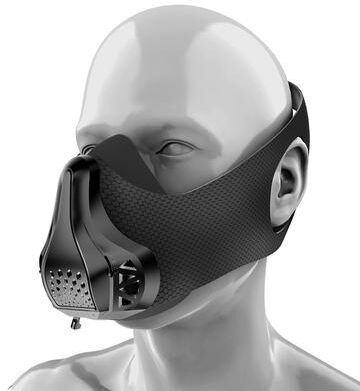
ModernMart Altitude Boost Training Mask For Running, Cardio & Endurance Fitness Altitude Boost Training Mask For Running, Cardio & Endurance FitnessBuilt to push limits, this _training mask_ transforms everyday workouts into highintensity performance sessions. Designed for runners, cyclists, gym athletes, and endurance trainers, it uses adjustable airflow resistance to help strengthen breathing...44,97 $*Shipping: 0,00 $Secure redirect to the provider
-
Inspire Picks 200ml Foldable Sports Water Cup Lightweight Soft Cup For Marathon And Trail Running blueHydrate on the go without carrying bulky gear. This compact 200ml foldable water cup is designed for runners and outdoor athletes who need quick sips without extra weight. Made from soft, flexible material, it collapses flat after use to save space...34,93 $*Shipping: 0,00 $Secure redirect to the provider
-
Useful Little Things Men's Athletic Sweat Absorbing Headband For Running, Fitness, And Yoga blueKeep sweat out of your eyes and focus on your performance with our men's athletic sweat absorbing headband. Engineered for high intensity workouts, running, basketball, cross training, and yoga, this lightweight sweatband pulls moisture away from...29,97 $*Shipping: 0,00 $Secure redirect to the provider
-
Is it unlikely to have a cardiovascular disease?
It is not unlikely to have a cardiovascular disease, as they are one of the leading causes of death worldwide. Factors such as genetics, lifestyle choices, and underlying health conditions can increase the risk of developing cardiovascular diseases. It is important to maintain a healthy lifestyle, including regular exercise, a balanced diet, and avoiding smoking, to reduce the risk of cardiovascular diseases. Regular check-ups with a healthcare provider can also help in early detection and management of any potential cardiovascular issues. **
-
Can a vegan diet lead to cardiovascular diseases?
A vegan diet can actually lower the risk of cardiovascular diseases when followed correctly. Plant-based diets are typically high in fiber, antioxidants, and other heart-healthy nutrients that can help reduce inflammation, lower cholesterol levels, and improve overall heart health. However, it is important for vegans to ensure they are getting enough essential nutrients like vitamin B12, omega-3 fatty acids, and iron to maintain optimal heart health. By including a variety of nutrient-dense plant foods and possibly supplementing with key nutrients, a vegan diet can be a beneficial choice for cardiovascular health. **
-
Which parts of the cardiovascular system carry arterial blood?
Arterial blood is carried by the arteries of the cardiovascular system. Arteries are blood vessels that carry oxygenated blood away from the heart to the rest of the body. They have thick, muscular walls that help maintain high pressure as blood is pumped from the heart. The largest artery in the body is the aorta, which branches out into smaller arteries that deliver oxygen-rich blood to all tissues and organs. **
-
How do you notice heart problems or cardiovascular problems?
Heart problems or cardiovascular problems can be noticed through various symptoms such as chest pain or discomfort, shortness of breath, dizziness or lightheadedness, fainting, fatigue, swelling in the legs, ankles, or feet, and irregular heartbeat. Additionally, risk factors such as high blood pressure, high cholesterol, diabetes, obesity, and a family history of heart disease can also indicate potential cardiovascular problems. Regular check-ups with a healthcare provider, monitoring blood pressure and cholesterol levels, and leading a healthy lifestyle can help in early detection and prevention of heart problems. **
Similar search terms for Cardiovascular
-
Multicon Wholesale Hub Speed Training Parachute Running Resistance Chute For Sprint And Endurance Work Speed Training Parachute Running Resistance Chute For Sprint And Endurance WorkPush every stride harder and train with purpose. This speed training parachute is built for runners, sprinters, and athletes who want to improve acceleration, stamina, and lowerbody drive. The 40inch approx canopy creates steady drag while you run,...69,97 $*Shipping: 0,00 $Secure redirect to the provider
-
Inspire Picks 200ml Foldable Sports Water Cup Lightweight Soft Cup For Marathon And Trail Running whiteHydrate on the go without carrying bulky gear. This compact 200ml foldable water cup is designed for runners and outdoor athletes who need quick sips without extra weight. Made from soft, flexible material, it collapses flat after use to save space...34,93 $*Shipping: 0,00 $Secure redirect to the provider
-
Inspire Picks 200ml Foldable Sports Water Cup Lightweight Soft Cup For Marathon And Trail Running sky BlueHydrate on the go without carrying bulky gear. This compact 200ml foldable water cup is designed for runners and outdoor athletes who need quick sips without extra weight. Made from soft, flexible material, it collapses flat after use to save space...34,93 $*Shipping: 0,00 $Secure redirect to the provider
-
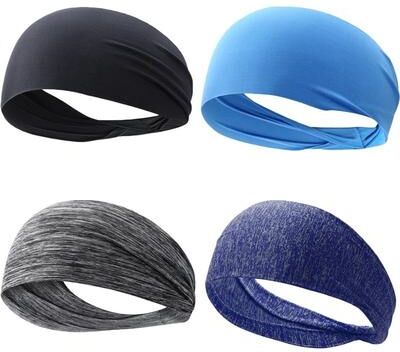
Useful Little Things Men's Athletic Sweat Absorbing Headband For Running, Fitness, And Yoga 4pcsKeep sweat out of your eyes and focus on your performance with our men's athletic sweat absorbing headband. Engineered for high intensity workouts, running, basketball, cross training, and yoga, this lightweight sweatband pulls moisture away from...59,97 $*Shipping: 0,00 $Secure redirect to the provider
-
What happens if you take Korodin Cardiovascular Drops with water?
Taking Korodin Cardiovascular Drops with water is the recommended way to consume the medication. The drops should be diluted in a small amount of water before being ingested. This helps to ensure proper absorption and effectiveness of the medication. It is important to follow the instructions provided by your healthcare provider or on the medication packaging to ensure safe and effective use of Korodin Cardiovascular Drops. **
-
What happens if you take Korodin cardiovascular drops with water?
Taking Korodin cardiovascular drops with water may dilute the concentration of the active ingredients in the drops, potentially reducing their effectiveness. It is recommended to take Korodin drops directly under the tongue for faster absorption into the bloodstream. Mixing the drops with water may also alter the taste and texture of the medication. It is best to follow the instructions provided by a healthcare professional or on the product packaging for the most effective and safe use of Korodin cardiovascular drops. **
-
Is there really a risk of cardiovascular problems during general anesthesia?
Yes, there is a small risk of cardiovascular problems during general anesthesia, particularly in individuals with pre-existing heart conditions. Anesthesia can affect blood pressure, heart rate, and the function of the heart, which may pose a risk to those with cardiovascular issues. However, the risk is generally low, and anesthesiologists are trained to monitor and manage any potential complications during surgery to minimize the risk to the patient. It's important for individuals with heart conditions to discuss their medical history with their healthcare team before undergoing anesthesia to ensure proper precautions are taken. **
-
Can someone write out the path of blood through the cardiovascular system for me?
Sure! Blood enters the heart through the superior and inferior vena cava, then flows into the right atrium. From there, it is pumped into the right ventricle and then to the lungs through the pulmonary artery. In the lungs, blood picks up oxygen and releases carbon dioxide. Oxygenated blood returns to the heart through the pulmonary veins, enters the left atrium, then the left ventricle, and is pumped out to the rest of the body through the aorta. **
* All prices are inclusive of VAT and, if applicable, plus shipping costs. The offer information is based on the details provided by the respective shop and is updated through automated processes. Real-time updates do not occur, so deviations can occur in individual cases. ** Note: Parts of this content were created by AI.