Buy laufsporty.eu ?
We are moving the project
laufsporty.eu .
Are you interested in purchasing the domain
laufsporty.eu ?
domain@kv-gmbh.de · 0541-91531010
Buy laufsporty.eu ?
Why is the unit called kWh and not kWh?
The unit is called kWh and not kW/h because it represents the amount of energy consumed over a period of time, not the rate of energy consumption. The "k" stands for kilo, which represents a unit of 1000, and "Wh" stands for watt-hour, which is a measure of energy. Therefore, kWh represents 1000 watt-hours of energy consumed over a period of time, typically an hour. **
How can one convert kWh per year to kWh per kilometer?
To convert kWh per year to kWh per kilometer, you would first need to know the average distance traveled in kilometers per year. Then, you would divide the total kWh consumed in a year by the total kilometers traveled in that year. This would give you the kWh per kilometer. This conversion can be useful in determining the energy efficiency of a vehicle or appliance over a specific distance traveled. **

Similar search terms for KWh
Top-Angebote
Products related to KWh:
-
Multicon Wholesale Hub Speed Training Parachute Running Resistance Chute For Sprint And Endurance Work Speed Training Parachute Running Resistance Chute For Sprint And Endurance WorkPush every stride harder and train with purpose. This speed training parachute is built for runners, sprinters, and athletes who want to improve acceleration, stamina, and lowerbody drive. The 40inch approx canopy creates steady drag while you run,...69,97 $*Shipping: 0,00 $Secure redirect to the provider
-
"Irwin Marathon 14082 12"" Marathon Miter & Table Saw Blades"Thin kerf for fast cuts Construction Micro grain carbide teeth for longer life Fully hardened plate runs truer longer #400 grit diamond ground teeth for faster, cleaner cuts Pr...102,49 $*Shipping: 0,00 $Secure redirect to the provider
-
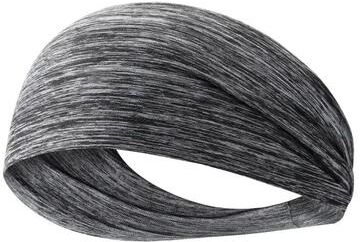
Useful Little Things Men's Athletic Sweat Absorbing Headband For Running, Fitness, And Yoga greyKeep sweat out of your eyes and focus on your performance with our men's athletic sweat absorbing headband. Engineered for high intensity workouts, running, basketball, cross training, and yoga, this lightweight sweatband pulls moisture away from...29,97 $*Shipping: 0,00 $Secure redirect to the provider
-
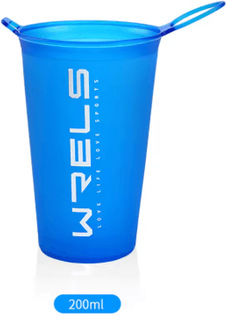
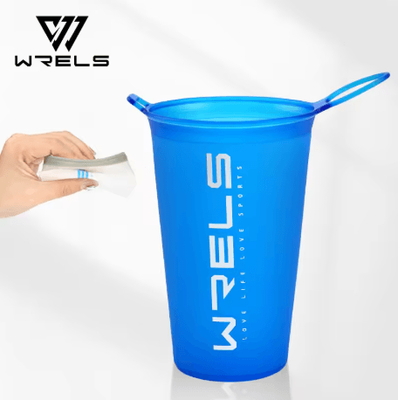
Inspire Picks 200ml Foldable Sports Water Cup Lightweight Soft Cup For Marathon And Trail Running blueHydrate on the go without carrying bulky gear. This compact 200ml foldable water cup is designed for runners and outdoor athletes who need quick sips without extra weight. Made from soft, flexible material, it collapses flat after use to save space...34,93 $*Shipping: 0,00 $Secure redirect to the provider


-
How is kWh calculated?
kWh (kilowatt-hour) is a unit of measurement used to quantify the amount of energy consumed over a period of time. It is calculated by multiplying the power consumption in kilowatts by the time in hours for which the power is consumed. For example, if a device has a power consumption of 1 kilowatt and is used for 10 hours, the energy consumption would be 10 kWh. This measurement is commonly used by utility companies to bill customers for their electricity usage. **
-
Is 300 kWh a lot?
It depends on the context. 300 kWh could be considered a lot for a single household's monthly electricity usage, especially if the household is energy-efficient. However, for a large commercial building or industrial facility, 300 kWh might be a relatively small amount of electricity usage. It's important to consider the specific circumstances and energy needs when determining whether 300 kWh is a lot. **
-
Why should one save kWh?
Saving kWh is important because it helps reduce energy consumption, which in turn lowers utility bills and reduces the demand for fossil fuels. By using energy more efficiently, we can help combat climate change and reduce our carbon footprint. Additionally, saving kWh helps to conserve natural resources and promotes a more sustainable way of living for future generations. **
-
What are kWh and J?
kWh stands for kilowatt-hour, which is a unit of energy equivalent to one kilowatt of power used for one hour. It is commonly used to measure electricity consumption. J stands for joule, which is the SI unit of energy. One joule is equal to the work done by a force of one newton acting over a distance of one meter. Both kWh and J are used to quantify energy consumption and production in various fields. **

How much kWh does a solar system with a capacity of 5000 kWh produce?
A solar system with a capacity of 5000 kWh can produce 5000 kWh of electricity under optimal conditions. However, the actual amount of electricity produced will depend on factors such as the location, weather, and efficiency of the solar panels. Generally, a 5000 kWh solar system can meet the electricity needs of an average household for a year. **
Why are kW and kWh used?
kW (kilowatts) and kWh (kilowatt-hours) are used to measure electricity consumption and power generation. kW is a unit of power, representing the rate at which energy is consumed or generated at a given moment. kWh, on the other hand, is a unit of energy, representing the total amount of energy consumed or generated over a period of time. These units are important for understanding and managing energy usage, as well as for billing purposes in the electricity industry. **
Top-Angebote
Products related to KWh:
-
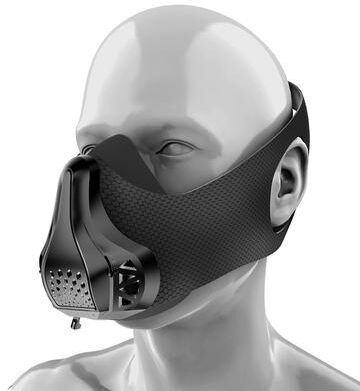
ModernMart Altitude Boost Training Mask For Running, Cardio & Endurance Fitness Altitude Boost Training Mask For Running, Cardio & Endurance FitnessBuilt to push limits, this _training mask_ transforms everyday workouts into highintensity performance sessions. Designed for runners, cyclists, gym athletes, and endurance trainers, it uses adjustable airflow resistance to help strengthen breathing...44,97 $*Shipping: 0,00 $Secure redirect to the provider
-
Inspire Picks 200ml Foldable Sports Water Cup Lightweight Soft Cup For Marathon And Trail Running whiteHydrate on the go without carrying bulky gear. This compact 200ml foldable water cup is designed for runners and outdoor athletes who need quick sips without extra weight. Made from soft, flexible material, it collapses flat after use to save space...34,93 $*Shipping: 0,00 $Secure redirect to the provider
-
Multicon Wholesale Hub Speed Training Parachute Running Resistance Chute For Sprint And Endurance Work Speed Training Parachute Running Resistance Chute For Sprint And Endurance WorkPush every stride harder and train with purpose. This speed training parachute is built for runners, sprinters, and athletes who want to improve acceleration, stamina, and lowerbody drive. The 40inch approx canopy creates steady drag while you run,...69,97 $*Shipping: 0,00 $Secure redirect to the provider
-
"Irwin Marathon 14082 12"" Marathon Miter & Table Saw Blades"Thin kerf for fast cuts Construction Micro grain carbide teeth for longer life Fully hardened plate runs truer longer #400 grit diamond ground teeth for faster, cleaner cuts Pr...102,49 $*Shipping: 0,00 $Secure redirect to the provider
-
Why is the unit called kWh and not kWh?
The unit is called kWh and not kW/h because it represents the amount of energy consumed over a period of time, not the rate of energy consumption. The "k" stands for kilo, which represents a unit of 1000, and "Wh" stands for watt-hour, which is a measure of energy. Therefore, kWh represents 1000 watt-hours of energy consumed over a period of time, typically an hour. **
-
How can one convert kWh per year to kWh per kilometer?
To convert kWh per year to kWh per kilometer, you would first need to know the average distance traveled in kilometers per year. Then, you would divide the total kWh consumed in a year by the total kilometers traveled in that year. This would give you the kWh per kilometer. This conversion can be useful in determining the energy efficiency of a vehicle or appliance over a specific distance traveled. **
-
How is kWh calculated?
kWh (kilowatt-hour) is a unit of measurement used to quantify the amount of energy consumed over a period of time. It is calculated by multiplying the power consumption in kilowatts by the time in hours for which the power is consumed. For example, if a device has a power consumption of 1 kilowatt and is used for 10 hours, the energy consumption would be 10 kWh. This measurement is commonly used by utility companies to bill customers for their electricity usage. **
-
Is 300 kWh a lot?
It depends on the context. 300 kWh could be considered a lot for a single household's monthly electricity usage, especially if the household is energy-efficient. However, for a large commercial building or industrial facility, 300 kWh might be a relatively small amount of electricity usage. It's important to consider the specific circumstances and energy needs when determining whether 300 kWh is a lot. **
Similar search terms for KWh
-
Useful Little Things Men's Athletic Sweat Absorbing Headband For Running, Fitness, And Yoga greyKeep sweat out of your eyes and focus on your performance with our men's athletic sweat absorbing headband. Engineered for high intensity workouts, running, basketball, cross training, and yoga, this lightweight sweatband pulls moisture away from...29,97 $*Shipping: 0,00 $Secure redirect to the provider
-
Inspire Picks 200ml Foldable Sports Water Cup Lightweight Soft Cup For Marathon And Trail Running blueHydrate on the go without carrying bulky gear. This compact 200ml foldable water cup is designed for runners and outdoor athletes who need quick sips without extra weight. Made from soft, flexible material, it collapses flat after use to save space...34,93 $*Shipping: 0,00 $Secure redirect to the provider
-
Inspire Picks 200ml Foldable Sports Water Cup Lightweight Soft Cup For Marathon And Trail Running sky BlueHydrate on the go without carrying bulky gear. This compact 200ml foldable water cup is designed for runners and outdoor athletes who need quick sips without extra weight. Made from soft, flexible material, it collapses flat after use to save space...34,93 $*Shipping: 0,00 $Secure redirect to the provider
-
Useful Little Things Men's Athletic Sweat Absorbing Headband For Running, Fitness, And Yoga 4pcsKeep sweat out of your eyes and focus on your performance with our men's athletic sweat absorbing headband. Engineered for high intensity workouts, running, basketball, cross training, and yoga, this lightweight sweatband pulls moisture away from...59,97 $*Shipping: 0,00 $Secure redirect to the provider
-
Why should one save kWh?
Saving kWh is important because it helps reduce energy consumption, which in turn lowers utility bills and reduces the demand for fossil fuels. By using energy more efficiently, we can help combat climate change and reduce our carbon footprint. Additionally, saving kWh helps to conserve natural resources and promotes a more sustainable way of living for future generations. **
-
What are kWh and J?
kWh stands for kilowatt-hour, which is a unit of energy equivalent to one kilowatt of power used for one hour. It is commonly used to measure electricity consumption. J stands for joule, which is the SI unit of energy. One joule is equal to the work done by a force of one newton acting over a distance of one meter. Both kWh and J are used to quantify energy consumption and production in various fields. **
-
How much kWh does a solar system with a capacity of 5000 kWh produce?
A solar system with a capacity of 5000 kWh can produce 5000 kWh of electricity under optimal conditions. However, the actual amount of electricity produced will depend on factors such as the location, weather, and efficiency of the solar panels. Generally, a 5000 kWh solar system can meet the electricity needs of an average household for a year. **
-
Why are kW and kWh used?
kW (kilowatts) and kWh (kilowatt-hours) are used to measure electricity consumption and power generation. kW is a unit of power, representing the rate at which energy is consumed or generated at a given moment. kWh, on the other hand, is a unit of energy, representing the total amount of energy consumed or generated over a period of time. These units are important for understanding and managing energy usage, as well as for billing purposes in the electricity industry. **
* All prices are inclusive of VAT and, if applicable, plus shipping costs. The offer information is based on the details provided by the respective shop and is updated through automated processes. Real-time updates do not occur, so deviations can occur in individual cases. ** Note: Parts of this content were created by AI.