Buy laufsporty.eu ?
We are moving the project
laufsporty.eu .
Are you interested in purchasing the domain
laufsporty.eu ?
domain@kv-gmbh.de · 0541-91531010
Buy laufsporty.eu ?
How is ATP formed?
ATP is formed through the process of cellular respiration, which occurs in the mitochondria of cells. During cellular respiration, glucose is broken down in a series of steps, releasing energy that is used to convert ADP (adenosine diphosphate) into ATP (adenosine triphosphate). This process involves the electron transport chain and the production of ATP synthase, which adds a phosphate group to ADP to form ATP. Overall, ATP is formed through the transfer of energy from glucose to ADP, creating a molecule that serves as the primary energy source for cellular activities. **
Where does ATP come from?
ATP, or adenosine triphosphate, is produced in the mitochondria of cells through a process called cellular respiration. During cellular respiration, glucose is broken down in the presence of oxygen to produce ATP, which serves as the primary energy source for cellular activities. Additionally, ATP can also be generated through the process of photosynthesis in plant cells, where sunlight is used to convert carbon dioxide and water into glucose and oxygen, ultimately leading to the production of ATP. **

Similar search terms for ATP
Top-Angebote
Products related to ATP:
-
Multicon Wholesale Hub Speed Training Parachute Running Resistance Chute For Sprint And Endurance Work Speed Training Parachute Running Resistance Chute For Sprint And Endurance WorkPush every stride harder and train with purpose. This speed training parachute is built for runners, sprinters, and athletes who want to improve acceleration, stamina, and lowerbody drive. The 40inch approx canopy creates steady drag while you run,...69,97 $*Shipping: 0,00 $Secure redirect to the provider
-
Useful Little Things Men's Athletic Sweat Absorbing Headband For Running, Fitness, And Yoga 4pcsKeep sweat out of your eyes and focus on your performance with our men's athletic sweat absorbing headband. Engineered for high intensity workouts, running, basketball, cross training, and yoga, this lightweight sweatband pulls moisture away from...59,97 $*Shipping: 0,00 $Secure redirect to the provider
-
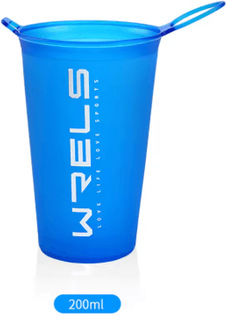
Inspire Picks 200ml Foldable Sports Water Cup Lightweight Soft Cup For Marathon And Trail Running whiteHydrate on the go without carrying bulky gear. This compact 200ml foldable water cup is designed for runners and outdoor athletes who need quick sips without extra weight. Made from soft, flexible material, it collapses flat after use to save space...34,93 $*Shipping: 0,00 $Secure redirect to the provider
-
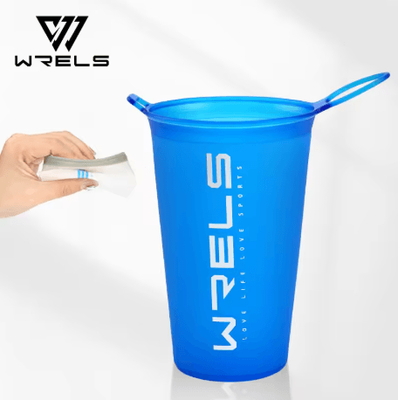
Inspire Picks 200ml Foldable Sports Water Cup Lightweight Soft Cup For Marathon And Trail Running sky BlueHydrate on the go without carrying bulky gear. This compact 200ml foldable water cup is designed for runners and outdoor athletes who need quick sips without extra weight. Made from soft, flexible material, it collapses flat after use to save space...34,93 $*Shipping: 0,00 $Secure redirect to the provider



-
What is ATP explained simply?
ATP, or adenosine triphosphate, is often referred to as the "energy currency" of the cell. It is a molecule that stores and transfers energy within cells for various cellular processes. When ATP is broken down into ADP (adenosine diphosphate) and inorganic phosphate, energy is released and can be used by the cell to fuel activities such as muscle contractions, nerve impulses, and protein synthesis. In essence, ATP provides the necessary energy for cells to carry out their functions and maintain life. **
-
What are glucose and ATP?
Glucose is a simple sugar that serves as the primary source of energy for our cells. It is obtained from the food we eat and is broken down through a series of metabolic processes to produce ATP (adenosine triphosphate). ATP is often referred to as the "energy currency" of the cell because it stores and transfers energy within cells for various cellular functions. Both glucose and ATP play crucial roles in providing energy for the body to carry out its daily functions. **
-
What are ATP and ADP?
ATP (adenosine triphosphate) is a molecule that stores and transfers energy within cells. It is often referred to as the "energy currency" of the cell because it provides the energy needed for various cellular processes. When ATP is used for energy, it is converted to ADP (adenosine diphosphate) by releasing one phosphate group, along with the energy stored in the bond. ADP can then be converted back to ATP through cellular respiration to replenish the cell's energy supply. **
-
What is ATP in biology?
ATP, or adenosine triphosphate, is a molecule that serves as the primary energy currency in living organisms. It is composed of an adenosine molecule and three phosphate groups, and its high-energy phosphate bonds store and release energy for cellular processes. ATP is produced during cellular respiration and photosynthesis, and it is used to power various biological processes such as muscle contraction, active transport, and chemical synthesis. In essence, ATP is essential for the functioning and survival of all living organisms. **


What is the meaning of ATP?
ATP stands for adenosine triphosphate, which is a molecule that serves as the primary energy carrier in cells. It is often referred to as the "energy currency" of the cell because it provides the energy necessary for various cellular processes, such as muscle contraction, nerve impulse transmission, and chemical synthesis. ATP is produced through cellular respiration and is used by cells to fuel their metabolic activities. **
What is ATP, KP, and ADP?
ATP (adenosine triphosphate) is a molecule that stores and transfers energy within cells. It is often referred to as the "energy currency" of the cell. KP (potassium phosphate) is a salt that contains potassium and phosphate ions. It is involved in various cellular processes, including energy metabolism. ADP (adenosine diphosphate) is a molecule that forms when ATP loses one of its phosphate groups during energy-releasing reactions. ADP can be converted back into ATP through cellular respiration to replenish the cell's energy supply. **
Top-Angebote
Products related to ATP:
-
ModernMart Altitude Boost Training Mask For Running, Cardio & Endurance Fitness Altitude Boost Training Mask For Running, Cardio & Endurance FitnessBuilt to push limits, this _training mask_ transforms everyday workouts into highintensity performance sessions. Designed for runners, cyclists, gym athletes, and endurance trainers, it uses adjustable airflow resistance to help strengthen breathing...44,97 $*Shipping: 0,00 $Secure redirect to the provider
-
Inspire Picks 200ml Foldable Sports Water Cup Lightweight Soft Cup For Marathon And Trail Running blueHydrate on the go without carrying bulky gear. This compact 200ml foldable water cup is designed for runners and outdoor athletes who need quick sips without extra weight. Made from soft, flexible material, it collapses flat after use to save space...34,93 $*Shipping: 0,00 $Secure redirect to the provider
-
Multicon Wholesale Hub Speed Training Parachute Running Resistance Chute For Sprint And Endurance Work Speed Training Parachute Running Resistance Chute For Sprint And Endurance WorkPush every stride harder and train with purpose. This speed training parachute is built for runners, sprinters, and athletes who want to improve acceleration, stamina, and lowerbody drive. The 40inch approx canopy creates steady drag while you run,...69,97 $*Shipping: 0,00 $Secure redirect to the provider
-
Useful Little Things Men's Athletic Sweat Absorbing Headband For Running, Fitness, And Yoga 4pcsKeep sweat out of your eyes and focus on your performance with our men's athletic sweat absorbing headband. Engineered for high intensity workouts, running, basketball, cross training, and yoga, this lightweight sweatband pulls moisture away from...59,97 $*Shipping: 0,00 $Secure redirect to the provider
-
How is ATP formed?
ATP is formed through the process of cellular respiration, which occurs in the mitochondria of cells. During cellular respiration, glucose is broken down in a series of steps, releasing energy that is used to convert ADP (adenosine diphosphate) into ATP (adenosine triphosphate). This process involves the electron transport chain and the production of ATP synthase, which adds a phosphate group to ADP to form ATP. Overall, ATP is formed through the transfer of energy from glucose to ADP, creating a molecule that serves as the primary energy source for cellular activities. **
-
Where does ATP come from?
ATP, or adenosine triphosphate, is produced in the mitochondria of cells through a process called cellular respiration. During cellular respiration, glucose is broken down in the presence of oxygen to produce ATP, which serves as the primary energy source for cellular activities. Additionally, ATP can also be generated through the process of photosynthesis in plant cells, where sunlight is used to convert carbon dioxide and water into glucose and oxygen, ultimately leading to the production of ATP. **
-
What is ATP explained simply?
ATP, or adenosine triphosphate, is often referred to as the "energy currency" of the cell. It is a molecule that stores and transfers energy within cells for various cellular processes. When ATP is broken down into ADP (adenosine diphosphate) and inorganic phosphate, energy is released and can be used by the cell to fuel activities such as muscle contractions, nerve impulses, and protein synthesis. In essence, ATP provides the necessary energy for cells to carry out their functions and maintain life. **
-
What are glucose and ATP?
Glucose is a simple sugar that serves as the primary source of energy for our cells. It is obtained from the food we eat and is broken down through a series of metabolic processes to produce ATP (adenosine triphosphate). ATP is often referred to as the "energy currency" of the cell because it stores and transfers energy within cells for various cellular functions. Both glucose and ATP play crucial roles in providing energy for the body to carry out its daily functions. **
Similar search terms for ATP
-
Inspire Picks 200ml Foldable Sports Water Cup Lightweight Soft Cup For Marathon And Trail Running whiteHydrate on the go without carrying bulky gear. This compact 200ml foldable water cup is designed for runners and outdoor athletes who need quick sips without extra weight. Made from soft, flexible material, it collapses flat after use to save space...34,93 $*Shipping: 0,00 $Secure redirect to the provider
-
Inspire Picks 200ml Foldable Sports Water Cup Lightweight Soft Cup For Marathon And Trail Running sky BlueHydrate on the go without carrying bulky gear. This compact 200ml foldable water cup is designed for runners and outdoor athletes who need quick sips without extra weight. Made from soft, flexible material, it collapses flat after use to save space...34,93 $*Shipping: 0,00 $Secure redirect to the provider
-
Useful Little Things Men's Athletic Sweat Absorbing Headband For Running, Fitness, And Yoga blueKeep sweat out of your eyes and focus on your performance with our men's athletic sweat absorbing headband. Engineered for high intensity workouts, running, basketball, cross training, and yoga, this lightweight sweatband pulls moisture away from...29,97 $*Shipping: 0,00 $Secure redirect to the provider
-
Useful Little Things Men's Athletic Sweat Absorbing Headband For Running, Fitness, And Yoga greyKeep sweat out of your eyes and focus on your performance with our men's athletic sweat absorbing headband. Engineered for high intensity workouts, running, basketball, cross training, and yoga, this lightweight sweatband pulls moisture away from...29,97 $*Shipping: 0,00 $Secure redirect to the provider
-
What are ATP and ADP?
ATP (adenosine triphosphate) is a molecule that stores and transfers energy within cells. It is often referred to as the "energy currency" of the cell because it provides the energy needed for various cellular processes. When ATP is used for energy, it is converted to ADP (adenosine diphosphate) by releasing one phosphate group, along with the energy stored in the bond. ADP can then be converted back to ATP through cellular respiration to replenish the cell's energy supply. **
-
What is ATP in biology?
ATP, or adenosine triphosphate, is a molecule that serves as the primary energy currency in living organisms. It is composed of an adenosine molecule and three phosphate groups, and its high-energy phosphate bonds store and release energy for cellular processes. ATP is produced during cellular respiration and photosynthesis, and it is used to power various biological processes such as muscle contraction, active transport, and chemical synthesis. In essence, ATP is essential for the functioning and survival of all living organisms. **
-
What is the meaning of ATP?
ATP stands for adenosine triphosphate, which is a molecule that serves as the primary energy carrier in cells. It is often referred to as the "energy currency" of the cell because it provides the energy necessary for various cellular processes, such as muscle contraction, nerve impulse transmission, and chemical synthesis. ATP is produced through cellular respiration and is used by cells to fuel their metabolic activities. **
-
What is ATP, KP, and ADP?
ATP (adenosine triphosphate) is a molecule that stores and transfers energy within cells. It is often referred to as the "energy currency" of the cell. KP (potassium phosphate) is a salt that contains potassium and phosphate ions. It is involved in various cellular processes, including energy metabolism. ADP (adenosine diphosphate) is a molecule that forms when ATP loses one of its phosphate groups during energy-releasing reactions. ADP can be converted back into ATP through cellular respiration to replenish the cell's energy supply. **
* All prices are inclusive of VAT and, if applicable, plus shipping costs. The offer information is based on the details provided by the respective shop and is updated through automated processes. Real-time updates do not occur, so deviations can occur in individual cases. ** Note: Parts of this content were created by AI.